




H&M (Hennes & Mauritz) is one of the most recognizable fashion brands in the world, known for delivering trendy, stylish clothing at affordable prices. Since its inception, H&M has grown from a single store into a global fashion powerhouse, shaping how people shop for apparel across continents. The brand’s ability to balance fast fashion with evolving sustainability goals has positioned it as a key player in the modern retail landscape. With collections for men, women, children, and home, H&M continues to influence global fashion trends while remaining accessible to millions of customers worldwide.
The Origins and Global Growth of H&M
H&M was founded in 1947 in Västerås, Sweden, by Erling Persson. Originally named “Hennes,” meaning “hers” in Swedish, the store initially focused on women’s clothing. In 1968, the acquisition of Mauritz Widforss, a hunting and fishing equipment retailer, led to the addition of menswear and the rebranding of the company as Hennes & Mauritz (H&M). This expansion marked the beginning of H&M’s journey toward becoming a comprehensive fashion retailer.
Over the decades, H&M expanded rapidly beyond Sweden, entering Europe, North America, Asia, the Middle East, and other global markets. Its strategy of offering fashionable clothing at competitive prices allowed it to resonate with a broad customer base. Today, H&M operates thousands of stores worldwide and maintains a strong online presence, making its collections accessible to customers regardless of location.
Affordable Fashion for Everyone
One of H&M’s strongest appeals lies in its commitment to affordability. The brand operates on the philosophy that great style should not be limited to luxury shoppers. By streamlining production, sourcing materials efficiently, and responding quickly to fashion trends, H&M delivers stylish apparel at prices that suit everyday consumers.
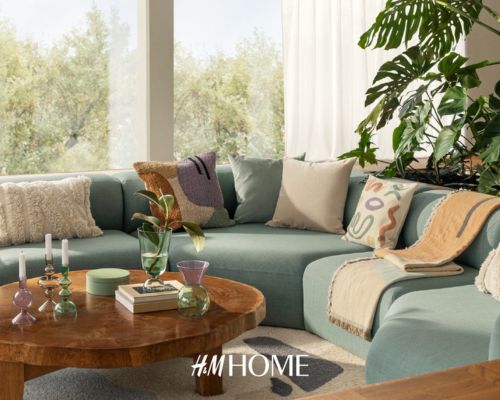
H&M caters to a wide demographic, offering collections for women, men, teenagers, children, and even babies. In addition, the brand’s Home collection extends its fashion sensibility into interior décor, providing stylish options for living spaces. Seasonal sales, special discounts, and frequent new arrivals keep customers engaged and encourage repeat purchases, making H&M a go-to destination for budget-friendly fashion.

Trend-Driven Designs and Collaborations
H&M is well known for translating runway trends into wearable, everyday fashion. The brand’s design teams closely monitor global fashion weeks, street style, and cultural movements to create collections that reflect current trends. This fast-paced approach allows H&M to refresh its inventory frequently, giving customers new styles to explore throughout the year.
A major highlight of H&M’s fashion strategy is its high-profile designer collaborations. Over the years, the brand has partnered with luxury designers and renowned fashion houses, offering exclusive collections at accessible prices. These collaborations not only generate excitement but also allow customers to experience premium design aesthetics without premium price tags, further strengthening H&M’s reputation as a trend-forward brand.
H&M’s Commitment to Sustainability
As the fashion industry faces increasing scrutiny over environmental impact, H&M has taken steps to address sustainability concerns. The brand has committed to using more sustainable materials, such as organic cotton, recycled polyester, and responsibly sourced fibers. Its “Conscious” collections aim to highlight products made with lower environmental impact while encouraging mindful consumption.
H&M has also introduced garment recycling programs, allowing customers to return unwanted clothing to stores for reuse or recycling. These initiatives are part of the brand’s long-term goal to become fully circular, where products are designed, produced, and reused in a more environmentally responsible manner. While challenges remain, H&M’s transparency and investment in sustainability signal a shift toward more responsible fashion practices.
Digital Innovation and Online Shopping Experience
In recent years, H&M has heavily invested in digital innovation to enhance the customer shopping experience. Its online store and mobile app provide seamless navigation, detailed product descriptions, size guides, and personalized recommendations. Customers can browse collections, track orders, and access exclusive online promotions with ease.
H&M’s omnichannel approach integrates physical stores with digital platforms through services such as click-and-collect, online returns in-store, and real-time inventory updates. This blend of online convenience and in-store experience allows H&M to meet the evolving expectations of modern shoppers who value flexibility and speed.
H&M’s Influence on Modern Fashion Culture
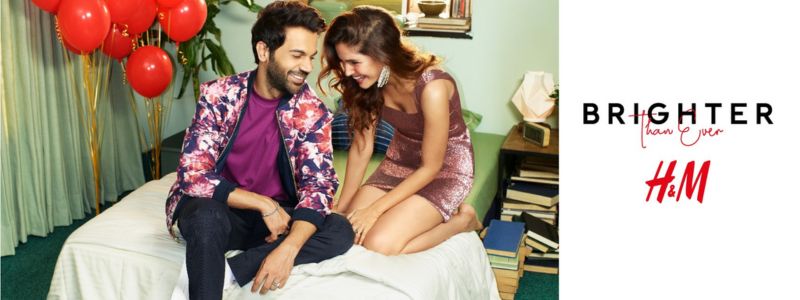
H&M’s impact extends beyond retail into broader fashion culture. By making trends accessible, the brand plays a significant role in shaping everyday style around the world. Its marketing campaigns often celebrate diversity, inclusivity, and self-expression, resonating with younger generations who value authenticity and representation.
The brand’s ability to adapt to cultural shifts, embrace digital trends, and respond to consumer feedback has helped it remain relevant in a highly competitive market. As fashion continues to evolve, H&M’s combination of affordability, innovation, and sustainability positions it as a key influencer in the global fashion industry.
Conclusion
H&M has successfully transformed the way people experience fashion by offering stylish, affordable, and increasingly sustainable clothing to a global audience. From its humble beginnings in Sweden to its status as an international fashion leader, the brand’s journey reflects adaptability, creativity, and a deep understanding of consumer needs. As H&M continues to innovate and refine its approach to sustainability and digital retail, it remains a powerful force shaping the future of modern fashion.