


In the age of smartphones and instant gratification, convenience has become the heartbeat of modern living. Whether it’s shopping, banking, or entertainment, people expect services to be just a tap away. Food delivery is no exception. Among the pioneers that reshaped how people order meals is DoorDash, a company that has revolutionized the food delivery ecosystem with innovation, technology, and customer-focused solutions. From humble beginnings to becoming a dominant force in the delivery industry, DoorDash has changed not only how consumers access food but also how restaurants and drivers operate in the digital economy.
The Origin Story: From Startup to Industry Leader
Every successful company begins with a vision. DoorDash was founded in 2013 by a group of Stanford students who recognized a gap in the local restaurant delivery market. Many small restaurants lacked the resources to build their own delivery systems, while customers wanted greater variety and convenience. The founders saw an opportunity to bridge this gap using technology.
What started as a small pilot project quickly evolved into a large-scale operation. By focusing on underserved suburban areas and partnering with local restaurants, DoorDash differentiated itself from competitors. Instead of concentrating solely on big cities, the company expanded strategically into communities where delivery services were limited. This thoughtful expansion allowed DoorDash to build a loyal customer base and strong restaurant partnerships.
Over time, the company invested heavily in logistics, route optimization, and user-friendly app design. These improvements positioned DoorDash as a reliable and efficient delivery service, paving the way for its rapid growth and eventual public offering.

A Seamless Experience for Customers
One of DoorDash’s greatest strengths lies in its simple yet powerful user experience. The app is designed to make food ordering quick, intuitive, and enjoyable. Customers can browse restaurants, filter by cuisine, read reviews, customize orders, and track deliveries in real time.
Transparency is another factor that enhances the customer experience. Users can see estimated delivery times, fees, and driver progress. This visibility builds trust and reduces uncertainty. The addition of subscription programs like DashPass further strengthens customer loyalty by offering reduced delivery fees and exclusive perks.
DoorDash also goes beyond restaurant meals. Today, customers can order groceries, convenience store items, and even pharmacy essentials. This diversification has turned the platform into a comprehensive on-demand service rather than just a food delivery app. By continuously adapting to consumer needs, DoorDash remains relevant in an ever-evolving digital marketplace.
Empowering Restaurants in the Digital Era
For restaurants, especially small and local businesses, partnering with DoorDash can be transformative. Many establishments lack the infrastructure to manage deliveries independently. DoorDash provides them with access to a vast customer network, logistics support, and marketing exposure.
Through its merchant tools, restaurants can manage menus, adjust pricing, analyze sales data, and track performance metrics. This data-driven approach helps businesses make informed decisions and optimize their operations. In addition, DoorDash offers promotional tools that allow restaurants to attract new customers and boost visibility within the app.
During challenging times, such as the global pandemic, delivery platforms played a crucial role in helping restaurants survive. DoorDash introduced initiatives aimed at supporting small businesses, including marketing assistance and flexible partnership options. While debates about commission fees continue within the industry, there is no denying that the platform has provided opportunities for countless restaurants to expand their reach and revenue streams.
Opportunities and Flexibility for Dashers
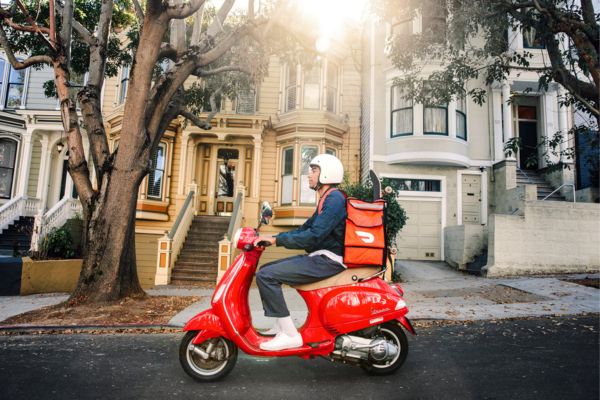
At the heart of DoorDash’s delivery model are the independent contractors known as Dashers. These drivers form the backbone of the company’s operations. DoorDash promotes flexibility as one of the primary benefits of becoming a Dasher. Individuals can choose their own schedules, work part-time or full-time, and accept deliveries based on their preferences.
The app’s algorithm assigns orders efficiently, aiming to minimize wait times and maximize earnings. Dashers can view estimated payouts before accepting an order, giving them greater control over their work decisions. For many people, especially students, freelancers, or those seeking supplemental income, this flexibility is highly appealing.
However, like many gig economy platforms, DoorDash has faced discussions around worker classification, benefits, and pay structures. Despite these ongoing debates, millions of individuals continue to use the platform as a way to earn income on their own terms. The gig economy remains a complex but significant part of modern labor markets, and DoorDash plays a central role in shaping that landscape.
Technology and Innovation Driving Growth
Behind the scenes, DoorDash relies on advanced technology to power its operations. Machine learning algorithms optimize delivery routes, predict demand, and reduce wait times. These systems help ensure that food arrives fresh and on schedule.
The company has also invested in expanding its “last-mile logistics” capabilities. Beyond restaurant meals, DoorDash partners with grocery chains, retailers, and local businesses to deliver a wide variety of goods. This strategic move positions the company as more than a food delivery service—it becomes a logistics platform capable of handling diverse consumer needs.
Additionally, DoorDash has explored innovations such as contactless delivery, autonomous vehicle partnerships, and drone testing in certain regions. These experiments highlight the company’s commitment to staying ahead in a highly competitive market. As technology continues to evolve, DoorDash’s ability to adapt and innovate will remain crucial to its long-term success.
Challenges and the Future of DoorDash
Despite its impressive growth, DoorDash faces ongoing challenges. Competition in the delivery space is fierce, with global and regional players constantly innovating. Customer expectations are high, and maintaining service quality while managing costs is a delicate balance.
Regulatory changes also impact the gig economy. Laws regarding worker classification, minimum pay standards, and delivery fees vary by region and can influence profitability. Furthermore, economic fluctuations and changes in consumer spending habits may affect demand for delivery services.
Yet, DoorDash’s adaptability gives it a strong foundation for the future. By expanding into new markets, diversifying services, and enhancing technological capabilities, the company continues to evolve. Its focus on convenience, efficiency, and partnership remains central to its strategy.
Looking ahead, DoorDash is likely to deepen its role in local commerce. As urban lifestyles grow busier and digital solutions become more integrated into daily life, on-demand delivery will remain a key component of consumer behavior. DoorDash’s journey reflects broader trends in technology, entrepreneurship, and the gig economy—illustrating how innovation can reshape entire industries.
Conclusion: Redefining Convenience in a Digital World
DoorDash’s rise from a small startup to a global delivery powerhouse highlights the power of vision, technology, and adaptability. By connecting customers, restaurants, and drivers through a seamless digital platform, the company has redefined convenience in the modern age.
Its impact extends beyond simply delivering meals. DoorDash has created economic opportunities, enabled business growth, and influenced how people think about time and accessibility. While challenges remain, the company’s commitment to innovation and customer satisfaction ensures that it will continue to play a significant role in shaping the future of on-demand services.
In a world where speed and simplicity matter more than ever, DoorDash stands as a testament to how technology can transform everyday experiences—one delivery at a time.