



A watch can be much more than a practical accessory. It can become one of the most recognizable details of an outfit, reflecting personal taste through its proportions, materials, dial design, and overall character. Whether you prefer understated minimalism or a more distinctive appearance, choosing the right watch starts with understanding what works naturally with your lifestyle.
Movado has built its identity around modern watch design, with its iconic Museum Dial dating back to 1947. The signature dot at 12 o’clock was inspired by a sundial and has become one of the brand’s most recognizable design elements.
Consider Your Everyday Lifestyle First
Before choosing a watch based purely on appearance, think about where you are most likely to wear it. A watch for everyday use needs to complement your regular routine, whether that involves an office, travel, social occasions, or weekends.
Someone working in a formal environment may prefer a refined watch with a clean dial and understated bracelet or leather strap. Someone with a more casual wardrobe may enjoy a sportier silhouette or a design with stronger visual details.
Movado offers collections ranging from minimalist Museum models to automatic watches, chronographs, sport-inspired designs, and contemporary styles.
Your existing wardrobe can provide useful clues. If you normally wear neutral colors and simple silhouettes, a minimalist watch can reinforce that aesthetic.
If your clothes are more expressive, a distinctive watch can become another way to introduce personality.
Think about how frequently you want to wear the same piece. A versatile everyday watch should work with several outfits rather than being suitable for only one occasion.
Travel is another consideration. If you frequently move between different environments, a practical and adaptable design may be more useful than something highly specialized.
The best choice is ultimately the watch that fits naturally into your lifestyle rather than simply following a current trend.
Pay Attention to Proportion and Case Size
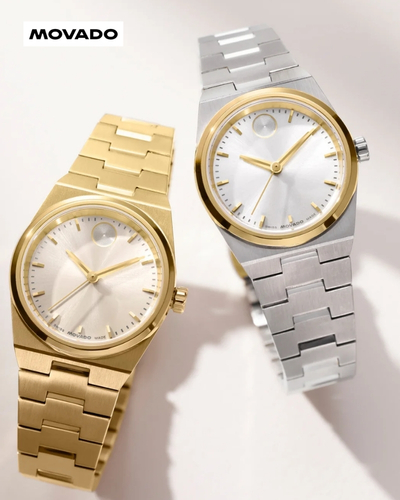
The size of a watch can dramatically change how it looks on the wrist. A large case can create a stronger presence, while a smaller case can feel more discreet and refined.
There is no single case size that works for everyone. Wrist dimensions, personal preference, and the overall style of the watch all matter.
Movado offers different case sizes across its collections, with Museum Classic models currently available in sizes including 22mm, 30mm, and 40mm.
When choosing a size, consider the proportions of your wrist rather than focusing only on the number printed in the product description.
A watch should look balanced rather than overwhelming the wrist.
The thickness of the case also matters. Two watches with the same diameter can feel completely different if one has a much thicker construction.
The strap or bracelet can change the visual balance as well. A slim leather strap may create a more elegant impression, while a metal bracelet can give the same watch a stronger and more contemporary appearance.
If you are shopping online, compare the case measurements with a watch you already own and like wearing.
This simple comparison can help you visualize the size before making a purchase.
Proportion is particularly important when choosing a watch intended for everyday wear because you want it to remain comfortable and visually balanced throughout the day.
Choose a Dial That Reflects Your Personality
The dial is often the first thing people notice about a watch. Its color, markers, hands, texture, and overall layout can completely change the character of the timepiece.
Minimalist dials can create a sophisticated appearance because they remove unnecessary visual elements and allow the essential details to stand out.
Movado is particularly recognized for its Museum Dial, which uses a single dot at 12 o’clock as its signature visual element. The design was created by Nathan George Horwitt in 1947 and was later accepted into the permanent collection of New York’s Museum of Modern Art.
If you prefer understated accessories, a simple dial can work beautifully with everyday clothing.
For a more expressive look, you might prefer a dial featuring additional markers, textures, complications, or contrasting details.
Color should also be considered carefully.
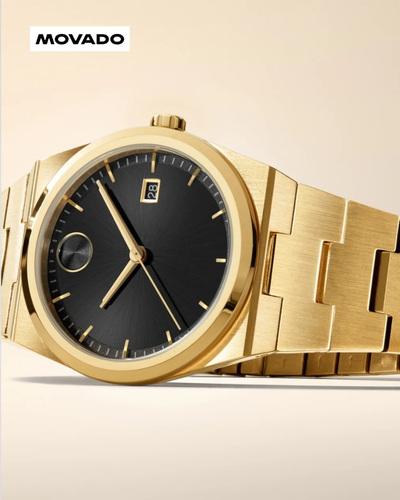
Black and white dials are generally easy to coordinate, while blue, green, gold, or other distinctive shades can become a focal point.
Think about the colors you already wear most often.
If your wardrobe is primarily neutral, almost any dial color can work. If you frequently wear bold colors, a more restrained watch may create a better balance.
The most important thing is to choose a dial that you genuinely enjoy looking at.
A watch is something you may see dozens of times throughout the day, so its visual character should feel right to you.
Decide Between Leather and Metal Straps
The strap can completely change the personality of a watch. Even when the case and dial remain identical, switching from leather to metal can make the design appear more formal, casual, modern, or traditional.
Leather straps generally create a softer and more classic impression. They can work particularly well with office clothing, tailored outfits, and evening looks.
Metal bracelets tend to create a more structured appearance and can be especially versatile with contemporary wardrobes.
Movado offers Museum watches with different bracelet and strap options, including gold-tone and silver-tone bracelets as well as calfskin leather straps.
Think about your daily activities when making this decision.
If you regularly dress formally, leather may provide the refined appearance you want.
If you want one watch that can move between casual and smart-casual outfits, a metal bracelet may provide greater flexibility.
Comfort should also influence your decision. Some people prefer the softness of leather, while others appreciate the durability and structure of a bracelet.
Your climate can also make a difference. A strap that feels comfortable in cooler weather may not be equally pleasant during hot or humid days.
Some watches also allow straps to be changed, giving you the opportunity to create different looks from the same timepiece.
This can be a practical way to make a single watch more versatile.
Think About Swiss Watchmaking and Craftsmanship
A watch is both a design object and a mechanical or quartz instrument. When making a considered purchase, it is worth looking beyond the appearance and understanding how the piece is made.
Details such as the movement, crystal, case material, water resistance, and finishing can influence both performance and long-term ownership.
Movado states that its watches are Swiss made, with a heritage that dates back to its founding in Switzerland in 1881. The brand also highlights Swiss movements, casing, and quality inspection as part of its watchmaking process.
Different movements offer different experiences.
Quartz watches are generally valued for their accuracy and straightforward everyday use, while automatic watches appeal to people who appreciate mechanical watchmaking and traditional craftsmanship.
Your choice should depend on what you value rather than assuming one movement is universally better.
Also consider water resistance, especially if you plan to wear the watch frequently.
Water resistance ratings should always be interpreted according to the manufacturer’s guidelines rather than assuming that every watch can be used for swimming or other water activities.
The materials used for the crystal and case also matter. Sapphire crystal, for example, is used in various Movado models and is valued for its resistance to scratching.
Understanding these technical details can make your purchase more informed.
A beautiful watch becomes even more satisfying when its construction and functionality match your expectations.
Choose a Watch You Will Enjoy for Years
Trends can be useful for inspiration, but a watch is often a long-term accessory. Choosing a design that continues to appeal to you after the excitement of a new purchase has faded can make the investment more worthwhile.
Timeless designs tend to rely on balanced proportions, recognizable details, and versatility rather than temporary fashion elements.
Movado has continued to develop its signature design language while introducing collections that reinterpret its heritage through contemporary materials and silhouettes.
The Museum Dial is a strong example of a design that has remained recognizable for decades.
When considering a watch, ask yourself whether you would still enjoy wearing it with your wardrobe several years from now.
Also consider the occasions for which you want to use it.
A versatile watch can accompany you to work, dinner, travel, celebrations, and casual weekends.
If you already own a basic everyday watch, your next purchase can be more specialized.
Perhaps you want an automatic model, a chronograph, a dressier design, or something with a more distinctive case.
This approach prevents your collection from becoming repetitive.
Think about the gaps in your current accessories rather than buying another watch that performs exactly the same role.
Ultimately, the right watch should feel like an extension of your personal style.
A great watch does not need to dominate an outfit to make an impression. Sometimes the most memorable designs are those that communicate quality and personality through subtle details.
Movado combines a long Swiss watchmaking heritage with a modern design philosophy, particularly through the Museum Dial that has defined one of its most recognizable collections since 1947.
When choosing a watch, start with your lifestyle. Consider where you will wear it, how frequently you will use it, and whether it needs to work across different types of outfits.
Next, pay attention to proportion. Case diameter, thickness, strap width, and wrist size should work together to create a balanced appearance.
The dial is equally important. A minimalist design may suit someone who prefers understated accessories, while a more detailed dial can provide additional character.
Strap choice can also transform the overall look. Leather can create a classic impression, while metal can feel more structured and contemporary.
Do not overlook the technical side of the purchase. Movement type, materials, water resistance, and construction can all influence your ownership experience.
Most importantly, think beyond current trends. A watch can remain part of your wardrobe for years, so choose a design that genuinely reflects your taste.
Whether you prefer a minimalist timepiece, a sophisticated automatic model, or a contemporary statement piece, the best watch is one that feels comfortable, looks natural with your wardrobe, and continues to appeal to you over time.
When design, craftsmanship, versatility, and personal style come together, a watch becomes more than a way to tell the time—it becomes a lasting part of how you present yourself.