



Family history is more than a collection of names and dates. It is a story made up of the people, places, traditions and experiences that shaped generations before us. Many families have old photographs, stories from grandparents and documents stored away, but finding connections between these memories can sometimes feel difficult. With modern genealogy tools, exploring the past has become more accessible, organised and engaging.
MyHeritage brings together family trees, historical records, DNA testing and photo tools, giving people different ways to discover information about their ancestors and preserve family memories. The platform currently provides access to billions of historical records and allows users to create and expand online family trees.
Start Building Your Family Tree
Creating a family tree is one of the simplest ways to begin exploring your heritage. You do not need to know everything about your ancestors before starting. Instead, begin with the information you already know about yourself, your parents and your grandparents, then gradually add more relatives as new details become available.
MyHeritage allows users to create a family tree by adding names, dates, photos and personal stories. The platform can then help identify possible connections and information that may expand the tree. This makes genealogy feel less like a complicated research project and more like an ongoing family discovery.
When creating your tree, accuracy is important. Record information carefully and, whenever possible, compare dates and relationships with original documents or information provided by relatives. Even small details, such as a middle name, birthplace or maiden name, can become useful when searching historical records later.
You can also invite family members to contribute. Older relatives may remember details that are not written in official documents, while younger family members may be able to organise photographs and digital records. Working together can turn genealogy into a shared family activity.

Explore Historical Records for New Discoveries
Once your family tree has been started, historical records can provide valuable clues about previous generations. Birth certificates, marriage records, census documents, immigration records, military documents, newspapers and yearbooks may reveal information that has been forgotten over time.
MyHeritage currently offers access to more than 33.8 billion genealogy records through its historical records search engine. These collections cover different types of documents and provide international coverage, making the platform useful for researching ancestors from different countries.
The search process can begin with simple information such as a person’s first name, surname, approximate birth year or location. You do not necessarily need to know every detail. As results appear, additional filters can be used to narrow the search and focus on more relevant records.
Historical research can sometimes produce unexpected discoveries. A record might reveal a different spelling of a surname, an unfamiliar location or a previously unknown relative. These details can provide new directions for further research and help connect separate branches of a family tree.
Not every historical record will be accurate or complete, so it is useful to compare multiple sources. Treat each discovery as a clue and look for supporting evidence before adding uncertain information permanently to your family tree.
Bring Old Family Photos Back to Life
Photographs can be some of the most meaningful pieces of family history. An old photograph can preserve a person’s appearance, clothing, surroundings and relationships in a way that written documents cannot. Unfortunately, physical photographs can become damaged, faded or difficult to identify as generations pass.
MyHeritage provides photo-related tools designed to help users preserve and enhance family memories. Its platform includes features for organising photographs, while AI-powered tools can help bring older images to life. The company’s Deep Nostalgia feature, for example, can animate faces in photographs.
Before uploading photographs, it is useful to organise them into groups. You might separate pictures by family branch, decade, location or event. Adding names and dates where known can make the collection much more valuable for future generations.
Older relatives can also help identify people in photographs. A picture that seems mysterious today may be immediately recognisable to a grandparent or older family member. Recording these stories alongside the images can preserve context that might otherwise disappear.
Digital preservation is another important consideration. Keeping copies of important family photographs and documents can help protect them from physical damage or accidental loss. A well-organised digital archive can also make it easier to share memories with relatives.
Discover Family Connections Through DNA
Traditional genealogy relies heavily on documents and family stories, but DNA testing can provide another way to explore ancestry. Genetic genealogy can sometimes reveal connections to relatives who may not appear in your existing family tree.
MyHeritage offers a DNA test designed to provide an ethnicity estimate and identify DNA matches with people who share genetic connections. Its current DNA service provides ancestry estimates across 2,114 geographic regions and can help users discover potential relatives through shared DNA.
DNA results can be particularly interesting when combined with traditional research. A potential DNA match may provide a clue about a family branch that you have not yet documented, while historical records can help explain how that connection fits into your family history.
It is important to remember that DNA results are only one part of genealogy. They should be considered alongside family trees, historical records and information from relatives. Combining different types of evidence can create a much clearer picture of your ancestry.
Before taking any DNA test, also review the provider’s privacy information and understand how your data and results are handled. Making an informed decision is especially important when dealing with personal genetic information.
Use Smart Matching to Expand Your Research
One of the challenges of genealogy is knowing where to look next. You may have created a family tree but still have missing names, uncertain relationships or unexplored branches. Matching technologies can help identify potential connections that deserve further investigation.
MyHeritage uses technologies such as Smart Matches and Record Matches to compare information in family trees and historical records. These features can notify users when potentially relevant information is discovered.
Smart Matches can identify similarities between your family tree and other trees on the platform. Record Matches can identify historical documents that may correspond to people already included in your tree. These suggestions can save research time and provide new directions.
However, a match should not automatically be treated as confirmed fact. Different people can have similar names, and family trees created by other users may contain mistakes. Always review the available evidence and verify important relationships before accepting information.
A good research habit is to record where each important fact came from. This makes your family tree easier to understand and allows future family members to continue the research without having to start again.
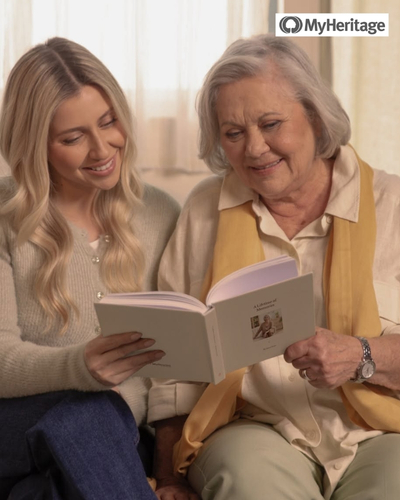
Preserve Your Family History for Future Generations
Discovering your ancestors is only part of the journey. Preserving what you learn ensures that future generations can benefit from your research. A family tree becomes much more meaningful when it includes photographs, documents, stories and personal memories alongside names and dates.
MyHeritage allows users to create online family sites where family members can collaborate, share photographs and contribute information. The platform also provides privacy controls that allow users to manage their family information.
Consider creating a digital collection that includes important documents, old photographs and written family stories. Whenever possible, add context to each item. Instead of saving a photograph with a filename such as “Old Photo 1,” record who appears in it, where it was taken and approximately when.
Family interviews can also become valuable historical records. Ask relatives about their childhood, parents, grandparents, traditions, occupations and important family events. Record these stories with their permission so that future generations can hear family history in their own words.
Ultimately, genealogy is not only about discovering where your ancestors came from. It is about understanding the people behind the records and preserving their stories. Whether you begin by creating a family tree, searching historical documents, exploring DNA connections or organising old photographs, each discovery can add another piece to the larger family story.
With tools provided by MyHeritage, researching, organising and sharing family history can become a rewarding project for individuals and entire families. Taking the time to investigate the past today can create a valuable collection of memories and discoveries that can be passed from one generation to the next.