



Running a small business involves much more than selling a product or service. Owners often need to accept payments, manage inventory, keep track of customers, review sales, and understand how the business is performing. When these tasks are handled through disconnected systems, everyday operations can quickly become complicated.
Square brings several business tools together in one ecosystem, including payment processing, point-of-sale solutions, online selling, invoicing, customer management, appointments, and other services. This approach can be particularly useful for small businesses that want to reduce the number of separate systems they need to manage.
Whether you operate a retail store, restaurant, salon, professional service, or online business, choosing the right tools can make daily operations more organized. The key is understanding which Square features actually match your business rather than trying to use every available function.
Start With a Point-of-Sale System That Fits Your Business
For many businesses, the point of sale is where customers and operations come together. A good POS system needs to do more than process a card payment. It should make transactions straightforward while helping the business keep track of products, orders, and sales.
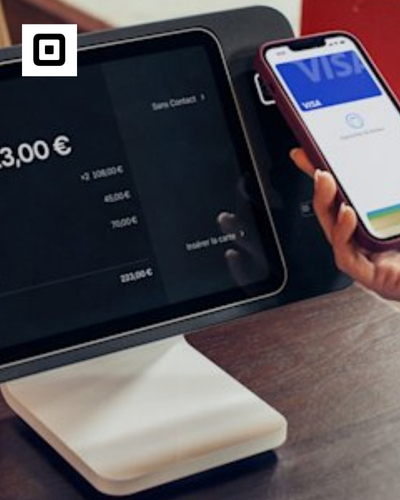
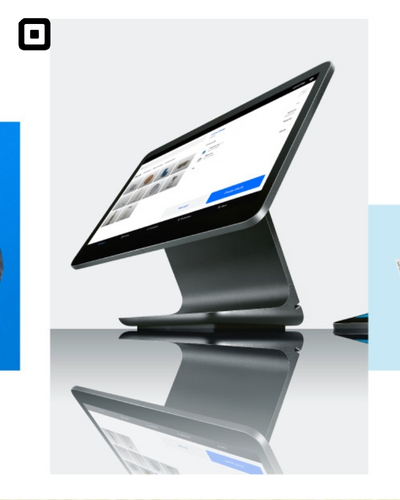
Square Point of Sale provides businesses with tools for accepting payments and managing transactions. Depending on the business type and setup, Square offers hardware and software designed for different selling environments.
A physical retailer, for example, may need a countertop setup with a card reader and receipt printer. A mobile business might prefer a smaller payment device that can be carried to markets, events, or customer locations.
Before investing in hardware, consider where transactions actually happen. Choosing a system based on real customer behavior can prevent unnecessary equipment costs and make the checkout experience more natural.
Connect In-Person and Online Selling
Modern customers do not always shop through one channel. Someone might discover a product on social media, purchase it online, and later visit a physical store. Businesses therefore need ways to manage different sales channels without creating unnecessary duplication.
Square supports online selling through Square Online, allowing businesses to create an online presence and accept orders through digital channels. Products, payments, and customer activity can be managed as part of the broader Square ecosystem.
This can be especially helpful for small retailers that want to expand beyond their physical location. Instead of building an entirely separate payment system for online sales, they can connect digital selling with other Square tools.
Restaurants and food businesses can also benefit from online ordering options. A customer can place an order digitally while the business manages it alongside other sales activity.
The best approach is to keep the customer journey consistent. Whether someone buys online or in person, product information, pricing, and service should feel connected.
Keep Track of Products and Inventory
Inventory management can become challenging as a business grows. Without reliable records, owners may not know which products are selling quickly, which items are running low, or where stock is being lost.
Square offers inventory management features that can help businesses monitor products and stock levels. This can be particularly useful for retailers selling multiple products or operating across physical and online channels.
A clear inventory system also makes purchasing decisions easier. Instead of ordering based purely on guesswork, business owners can use sales information to understand demand and identify products that need attention.
However, inventory management works best when information is kept accurate. Staff should follow consistent procedures for receiving stock, recording sales, handling returns, and adjusting damaged or missing items.
The technology can make tracking easier, but good internal processes remain essential.
Make Customer Relationships More Valuable
Getting a customer to make a first purchase is only one part of growing a business. Encouraging customers to return can be just as important.
Square provides customer management and marketing tools that can help businesses organize customer information and communicate with their audience. Depending on the service used, businesses can build customer profiles, create marketing campaigns, and develop loyalty programs.
For example, a coffee shop might use customer information to encourage repeat visits, while a salon could use appointment and customer-management features to create a more organized experience.
Customer data should always be handled responsibly. Businesses need to respect privacy requirements and communicate with customers appropriately rather than overwhelming them with unnecessary messages.
The goal should be useful communication. Promotions, reminders, loyalty rewards, or product updates are more likely to create value when they are relevant to the customer’s relationship with the business.
Simplify Invoicing and Business Administration
Not every business receives payment at a traditional checkout. Freelancers, consultants, contractors, and service providers often need to send invoices and collect payments remotely.
Square Invoices provides businesses with a way to create and send invoices and accept payments online. This can simplify the process compared with manually creating invoices and separately arranging payment collection.
For service-based businesses, connecting invoicing with other business tools can reduce administrative work. Instead of maintaining separate systems for every part of the payment process, owners can manage more of their financial workflow through one platform.
It is still important to review transaction fees, payment timing, invoice terms, and applicable tax requirements. The right setup depends on the business model and the markets in which the business operates.
Automation is most useful when it removes repetitive tasks without reducing visibility. Business owners should still regularly review their payments and financial records.
Choose Tools According to Your Business Stage
One of the biggest mistakes small businesses can make is adopting technology simply because it offers a long list of features. More functionality does not automatically mean a better setup.
Square offers a broad ecosystem, but a new business may only need basic payment processing and POS functionality initially. As sales grow, additional tools such as online selling, inventory management, appointments, marketing, or payroll may become useful.
Starting with essential tools can keep the business easier to manage. Owners can then add features when a genuine operational problem appears.
Cost should also be considered carefully. Look at hardware expenses, subscription charges where applicable, payment-processing costs, and additional service fees. Compare those costs against the amount of administrative work the system can save.
The right technology should support growth rather than create another complicated task to manage.
Build a More Connected Business Workflow
The biggest strength of Square is the possibility of connecting different parts of a business operation. Payments, point of sale, online orders, inventory, customers, appointments, and invoices can work together instead of existing as completely separate systems.
For a small business owner, this can provide a clearer view of daily activity. Instead of checking several platforms to understand what happened, connected tools can make important information easier to access.
That does not mean every business needs the entire Square ecosystem. The most effective setup is the one that matches the company’s actual workflow.
Start by identifying the areas that consume the most time. If checkout is the problem, focus on POS. If online orders are becoming difficult to manage, explore digital selling tools. If customer retention is the priority, consider customer and loyalty features.
Square can be a useful foundation for businesses looking to modernize their payment and sales operations without building every system independently. Its range of tools gives owners room to start small and expand as their needs change.
Ultimately, good business technology should make work simpler, not more complicated. By choosing the right Square tools for your specific business model, keeping customer information organized, monitoring costs, and maintaining accurate records, you can create a smoother experience for both your team and your customers.
For growing businesses, that combination of convenience, connected operations, and flexibility can make everyday management more efficient while leaving more time to focus on the customers and products that drive the business forward.