



1. Discover Smarter Solutions for Modern Welding
Welding is an essential part of metalworking, from repairing everyday equipment to building custom furniture, maintaining vehicles, and completing fabrication projects. Having suitable equipment can make these tasks more manageable and help users achieve consistent results. Whether someone is learning the basics or has years of workshop experience, choosing tools that match their needs is an important first step.
ARCCAPTAIN offers welding machines, plasma cutters, protective equipment, and accessories designed for a variety of metalworking applications. Its product range includes MIG, TIG, and stick welding machines, along with equipment for cutting metal. This variety allows customers to explore different technologies and compare options according to their projects, experience, and available workspace.
Modern welding equipment can also include features that simplify setup and improve control. Depending on the model, users may find digital displays, adjustable settings, synergic controls, or app-based parameter management. These features can help make machine operation more convenient, although understanding the fundamentals of welding remains important. Before choosing any equipment, consider the materials you work with, the thickness of the metal, the power supply available, and the type of results you want to achieve.
A thoughtful equipment choice can support better workflow, reduce unnecessary complications, and make a workshop more organised. By understanding the available technologies and their intended uses, buyers can invest in tools that fit their current projects while leaving room for future development.
2. Understand the Different Types of Welding Machines
Different welding processes are suited to different tasks, so understanding their basic characteristics can help narrow the options. MIG welding is commonly used for fabrication, repairs, and projects where a continuous wire feed supports an efficient workflow. It can be useful for workshops handling mild steel and other compatible materials, depending on the machine, wire, and shielding method selected.
ARCCAPTAIN offers MIG welders in several configurations, including multiprocess models. Some machines combine multiple welding methods, allowing users to handle a broader range of applications with one unit. When comparing models, check their amperage range, supported wire sizes, voltage requirements, duty cycle, and material compatibility. These specifications influence how a machine performs and whether it suits your intended workload.
TIG welding is often selected when greater control over the weld is important, including work involving thinner materials or applications where appearance matters. Some TIG machines support both AC and DC operation, which can expand the range of compatible materials. Stick welding, also known as arc welding or MMA welding, is another practical option for repairs and outdoor tasks when the correct electrodes and working conditions are available.
Rather than choosing a machine simply because it offers the highest output, consider which process you will use most frequently. Beginners may appreciate clear controls and accessible setup guidance, while experienced fabricators may prioritise precise adjustment and specialised capabilities. Comparing the available machines carefully helps ensure your equipment supports your actual work.
3. Achieve Cleaner Cuts with Suitable Plasma Cutters
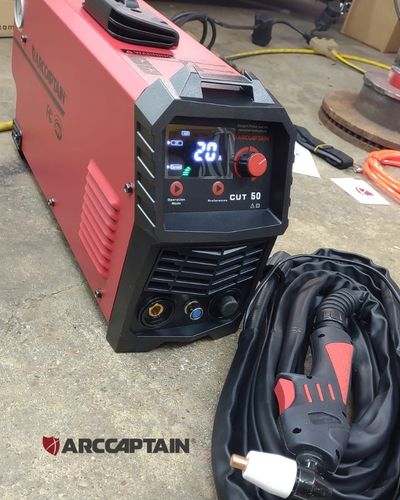
Cutting metal accurately is an important stage in many fabrication and repair projects. A suitable cutting tool can help prepare components, shape metal sheets, and create pieces that are ready for further work. Plasma cutters use an electrically conductive plasma arc to cut compatible metals, offering an alternative to mechanical cutting methods for many applications.
ARCCAPTAIN provides several plasma cutting machines, including portable options and models with different cutting capacities. Some products offer dual-voltage operation or pilot-arc functionality, while certain models include additional controls for specialised applications. Available features differ between machines, so it is essential to check the manufacturer’s specifications rather than assuming every model provides the same capabilities.
When choosing a plasma cutter, consider the thickness and type of material you expect to cut, the power supply available, and the level of precision required. Maximum cutting capacity and clean cutting capacity are not always the same, making this distinction particularly important. Air supply requirements, consumable availability, duty cycle, and torch compatibility should also influence your decision.
A well-matched cutter can help make metal preparation more efficient, but the equipment alone cannot guarantee a perfect result. Correct setup, suitable consumables, steady technique, and appropriate safety precautions all matter. Operators should follow the product manual and use the required eye protection, gloves, protective clothing, and ventilation. Comparing these practical considerations before buying helps you select a cutting solution that supports both your workflow and working conditions.
4. Improve Workshop Efficiency with Useful Features
A well-equipped workshop is not only about owning powerful machinery. Convenience, adjustability, and compatibility can also influence how easily a project moves from preparation to completion. Features that simplify setup may be particularly helpful when users regularly switch between materials, processes, or different types of work.
ARCCAPTAIN includes machines with features such as synergic settings, digital controls, and app-based adjustments on selected models. Synergic controls can help coordinate certain welding parameters, making initial setup more straightforward for suitable applications. App-connected equipment may allow users to adjust or save parameters, depending on the machine. These functions can improve convenience, but operators should still learn how each setting affects the welding process.
Multiprocess equipment can be another practical option for workshops with varied requirements. Instead of purchasing separate machines for every task, users may be able to choose a compatible unit that supports several processes. However, it is important to confirm exactly which processes are included, whether any accessories must be purchased separately, and how the machine performs under the expected workload.
Accessories can also contribute to an efficient workspace. Appropriate torches, welding wires, electrodes, clamps, and replacement consumables help users prepare for specific jobs. Protective equipment should be considered essential rather than optional. By assessing the complete setup instead of focusing only on the main machine, buyers can build a workshop that is better organised, more practical, and suitable for their day-to-day metalworking activities.
5. Choose Protective Equipment and Accessories Carefully
Welding involves intense heat, bright light, sparks, fumes, and electrical hazards. Selecting suitable protective equipment is therefore a fundamental part of preparing for any welding task. A machine may offer useful features, but safe working practices and appropriate personal protective equipment remain necessary regardless of the operator’s experience.
ARCCAPTAIN offers accessories and protective products, including welding helmets, gloves, clothing, and equipment-related consumables. Auto-darkening helmets are available in different designs, with features that vary by model. When comparing helmets, check the relevant optical specifications, shade settings, viewing area, sensitivity controls, and suitability for your welding process. A helmet should provide appropriate protection for the task rather than being selected solely for its appearance.
Gloves, flame-resistant clothing, and other protective items should also be chosen according to the hazards involved. Clothing must cover exposed skin appropriately, and the work area should be arranged to protect nearby people and materials from sparks. Adequate ventilation is important because welding fumes can present serious health risks. Follow the equipment manufacturer’s instructions and applicable workplace safety requirements.
Consumables deserve attention as well. Welding wire, electrodes, torch parts, and cutting components must match the equipment and intended application. Using incompatible parts can affect performance and may create avoidable problems. Before ordering accessories, verify model compatibility and package contents. A little preparation can help prevent delays, support reliable operation, and make the workshop safer and easier to manage.
6. Make an Informed Investment in Your Workshop
Buying welding equipment is an investment in the projects you can complete, so it is worth comparing products carefully before making a decision. Start by defining your most common tasks. A person carrying out occasional home repairs may need a different machine from someone fabricating metal components regularly or operating a professional workshop.
ARCCAPTAIN provides product listings, equipment categories, and support resources that can help shoppers explore available options. Compare specifications across similar machines and pay attention to input voltage, output range, duty cycle, supported processes, weight, and included accessories. Also consider whether the machine can accommodate your future plans without requiring features you do not currently need.
Budgeting should include more than the purchase price. Protective gear, suitable consumables, replacement parts, electrical requirements, and maintenance can all affect the overall cost of ownership. Check warranty terms, shipping conditions, return policies, and available customer support before placing an order. If you are unsure which machine fits your requirements, consult the product documentation or seek advice from a qualified welding professional.
It is equally important to build skills alongside your equipment collection. Read the manual, practise on appropriate materials, and learn the safety procedures associated with each process. Proper preparation and regular maintenance can help you work more confidently and responsibly.
Whether you are starting a home workshop, improving your fabrication setup, or exploring new metalworking techniques, the right equipment begins with a clear understanding of your needs. Compare the available options, prioritise safety, and choose tools that offer practical value for the work you plan to do.