



For many people, eating well sounds simple until the weekly grocery shop arrives. Fresh vegetables need planning, seasonal ingredients can be difficult to find, and busy schedules often make it tempting to choose whatever is quickest. At the same time, more shoppers are thinking about where their food comes from, how it is produced and how much unnecessary packaging is involved.
Abel & Cole offers a different approach to everyday grocery shopping, focusing on organic and sustainably sourced food delivered directly to customers. Its range goes well beyond traditional vegetable boxes, including fruit, meat, fish, dairy, bread, drinks, cupboard essentials and curated food collections.
The real appeal is not simply having groceries delivered. It is the combination of seasonal produce, flexible ordering and a stronger focus on sustainability. For shoppers who want to make their food routine more thoughtful without making it complicated, this model can be particularly useful.
Make Seasonal Produce Part of Your Weekly Routine
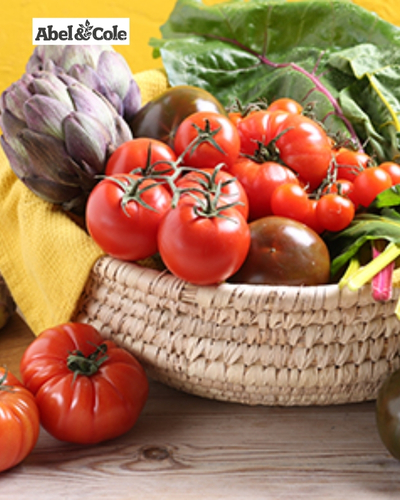
One of the easiest ways to improve a weekly food shop is to make fresh produce a regular priority. Instead of deciding what to buy from scratch every time, Abel & Cole’s Fruit & Veg Boxes provide a convenient starting point, with different sizes and combinations available. Customers can also tailor some boxes using seasonal swaps.
This approach can make meal planning more interesting because the contents naturally change with the seasons. Rather than buying exactly the same vegetables every week, shoppers can discover ingredients that are particularly good at different times of the year.
For households, choosing an appropriately sized box can also make grocery planning easier. Smaller households may prefer an extra-small or small option, while larger families can choose bigger boxes. The key is to select a size that matches actual consumption so that fresh food is enjoyed rather than wasted.

Build a Complete Grocery Shop in One Place
A fruit and vegetable box can be the foundation of a grocery order, but it does not have to be the entire shop. Abel & Cole offers a broad selection of additional food and drink, allowing customers to add essentials alongside their fresh produce.
The online range includes categories such as organic bread and bakes, dairy, meat and fish, drinks, cupboard products and ready-to-use food collections. There are also curated options designed around particular meals or occasions, which can be useful when you want inspiration rather than another long shopping list.
This makes the service particularly practical for people who want to reduce the number of separate grocery trips they make. Instead of visiting several shops for individual ingredients, a carefully planned delivery can cover a substantial portion of the weekly food requirements.
Understand What Organic Food Means
Organic food is often associated with quality, but it is worth understanding what the term actually represents. Abel & Cole explains organic farming in terms of working with nature and highlights practices such as fewer pesticides, no GM ingredients, free-range standards and no routine use of antibiotics.
For shoppers, this can make organic certification more meaningful than simply treating it as a marketing label. Looking at farming practices and sourcing standards can help customers understand why particular products are positioned differently from conventional alternatives.
At the same time, organic shopping does not have to mean replacing every item in your kitchen overnight. A practical approach is to begin with the foods your household buys most frequently. Building a more organic grocery routine gradually can be easier to manage financially and logistically.
Shop With Sustainability in Mind
Food shopping has an environmental side that extends beyond the ingredients themselves. Packaging, transportation, food waste and farming practices all contribute to the wider impact of a grocery purchase. Abel & Cole places sustainability at the centre of its model, highlighting organic and seasonal food, reduced packaging and carbon-conscious delivery routes.
The company also states that when it sources products from overseas, it does not use air freight, which can help reduce food miles associated with transportation. Its delivery model uses set routes and days for different areas, helping organise deliveries efficiently rather than offering individual time slots for every customer.
Another interesting feature is its approach to hard-to-recycle plastic packaging. Customers can send certain packaging back through its collection system, giving used materials another stage in the supply process rather than automatically sending everything to household waste.
Make Delivery Work Around Your Lifestyle
Convenience is one of the strongest reasons people choose grocery delivery, but flexibility matters just as much. Abel & Cole allows customers to make changes, skip deliveries or cancel without a long-term commitment. Orders can generally be changed until midnight two days before the scheduled delivery day.
Deliveries take place on a set day for each area, rather than allowing customers to select an individual time slot. This arrangement supports the company’s route-based delivery approach, while customers can receive on-the-day notifications and provide instructions for a safe place if they are not home.
Before signing up, it is sensible to check whether delivery is available in your postcode and identify your scheduled delivery day. Abel & Cole currently lists a £12 minimum order and a £3.50 delivery charge, so planning several essentials together can make an order more worthwhile.
Turn Better Food Choices Into a Sustainable Habit
The biggest benefit of a structured grocery service is that it can turn good intentions into habits. When fresh produce arrives regularly, it becomes easier to plan meals around vegetables, experiment with seasonal ingredients and reduce the temptation to rely on last-minute shopping.
Abel & Cole also connects its grocery model with community support. The company states that it donates a portion of fresh organic fruit or vegetables for every Fruit & Veg Box sold, supporting three local food charities. This gives customers another reason to consider how their everyday purchases can contribute beyond their own household.
For new customers, the best strategy is to start realistically. Choose a box size that fits your household, add products you already know you will use, and gradually experiment with unfamiliar seasonal ingredients. There is no need to completely redesign the way you eat in one week.
Ultimately, Abel & Cole is most useful for shoppers who want convenience without losing sight of food quality and sustainability. Its combination of organic produce, seasonal choices, flexible ordering and doorstep delivery provides an alternative to the traditional supermarket routine.
A thoughtful weekly order can make fresh food easier to enjoy while also encouraging more conscious decisions about packaging, sourcing and waste. With a little planning, grocery delivery can become more than a convenient service—it can become a practical part of a healthier and more sustainable everyday lifestyle.