



Free time does not always have to mean scrolling through social media or watching random videos. It can also become an opportunity to explore an interest, develop a useful skill, or simply learn something you have always wanted to try. The challenge is finding a learning format that feels interesting enough to keep you motivated while also fitting comfortably into a busy routine.
MasterClass offers online classes across areas such as business, writing, food, music, sports, wellness, science and technology, art and design, and more. Its lessons are taught by experienced professionals and creators, giving learners an opportunity to explore subjects through video-based lessons and practical insights. The platform currently provides access to more than 200 classes, with new content added regularly.
Choose a Skill You Actually Want to Learn
The easiest way to stay consistent with online learning is to start with something you genuinely enjoy. Instead of choosing a subject simply because it sounds useful, think about the topics that naturally make you curious. You may want to become a better writer, understand business, improve your cooking, learn photography, or explore a completely new creative activity.
MasterClass organizes its learning library into categories including Acting & Performing Arts, Art & Design, Business & Entrepreneurship, Food & Drink, Games & Digital Media, Health & Wellness, Music, Science & Technology, Sports & Athletics, and Writing. This range makes it possible to approach learning according to personal interests rather than following a single academic path.
Once you have selected a topic, set a simple goal. Instead of saying that you want to become an expert, decide that you want to understand the basics, complete a particular class, or practice one new technique each week. Small goals are easier to maintain and can make the learning process feel less overwhelming.
Learn in Short Sessions
One of the biggest advantages of online learning is flexibility. You do not necessarily need to reserve several hours every day for a course. A short, focused learning session can be easier to fit around college, work, family responsibilities, or other commitments.
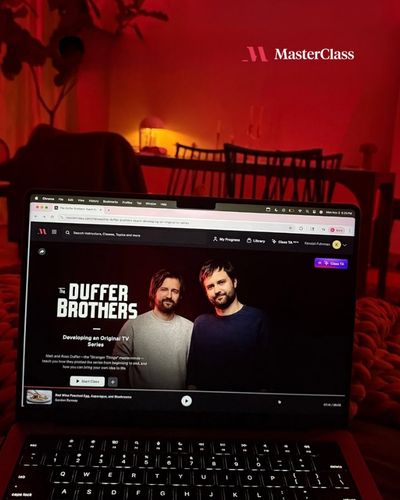
MasterClass lessons are designed in a bite-sized format, and its classes can be followed at the learner’s own pace. The platform also supports watching or listening through different devices, making it possible to continue learning in different parts of the day.
For example, you could watch a lesson during a quiet morning, listen to audio while travelling, or spend a few minutes reviewing an idea before going to bed. The important thing is consistency rather than trying to finish everything immediately.
Creating a weekly learning routine can make a significant difference. Even three or four short sessions can help establish a habit. Once learning becomes part of your normal schedule, it becomes easier to continue without feeling like an additional obligation.
Connect Learning With Real Projects
Watching lessons can provide useful ideas, but applying those ideas can make the experience more meaningful. Whenever possible, connect what you learn with a small personal project. If you are learning photography, create a photo series. If you are exploring writing, start a short story. If you are interested in cooking, try preparing a new recipe.
MasterClass also offers Sessions for learners who prefer a more structured, hands-on approach. These experiences include step-by-step projects, guided activities, defined curricula, and opportunities to receive feedback from other participants.
Projects give learning a clear purpose. They also make it easier to notice progress because you have something tangible to show for the time you have spent. You do not need to create something perfect. The objective is to practice, experiment, make mistakes, and gradually improve.
A small project can also help you decide whether you want to explore the subject further. An interest that begins as casual curiosity could eventually develop into a serious hobby, creative portfolio, or professional skill.
Explore Different Areas of Creativity
Learning does not always have to be directly connected to your career. Exploring subjects outside your usual interests can improve creativity and introduce you to completely different ways of thinking.
MasterClass covers subjects ranging from cooking and writing to photography, music, design, sports, wellness, and business. This variety makes it possible to move between different areas depending on your mood and goals.
For example, someone interested in marketing might explore storytelling or photography to develop stronger creative communication skills. A person interested in cooking might also explore food photography. Someone who enjoys writing could experiment with filmmaking or acting.
These combinations can create interesting connections between skills. Creativity often grows when ideas from different areas are brought together. You do not have to become highly skilled in every subject. Sometimes simply exploring a new field can provide inspiration for something you already enjoy.
Keeping a list of subjects you would like to explore can also make choosing your next class easier. Whenever you discover a new interest, add it to the list and return to it when you have time.
Build a Learning Routine That Fits Your Life
A learning routine should support your lifestyle rather than compete with it. If you have a busy schedule, setting unrealistic goals can quickly lead to frustration. Instead, choose a pace that feels manageable.
MasterClass allows members to access its classes across supported devices, including smartphones, computers, and television platforms, while select content can also be downloaded for offline viewing. This flexibility can help learners choose when and where they want to study.
Start by identifying the time of day when you are most likely to concentrate. Some people prefer mornings, while others find it easier to learn in the evening. You can then create a simple schedule around that time.
It can also help to keep your learning environment comfortable. Put your phone on silent if distractions are a problem, keep a notebook nearby, and write down ideas that you want to revisit later. These small habits can make short sessions more productive.
Do not worry if your routine changes occasionally. Missing one session does not mean you have failed. Simply return to your schedule when you have time. Sustainable learning is about continuing over the long term rather than maintaining a perfect daily record.
Turn Curiosity Into Long-Term Growth
Learning becomes more valuable when curiosity continues beyond a single class. After finishing a lesson or course, take a few minutes to think about what you learned and how you can use it. You might discover another related topic, identify a skill that needs more practice, or find a new project to explore.
MasterClass combines expert-led lessons with a broad library covering professional, creative, lifestyle, and recreational subjects. Its classes are structured so learners can move through curated lessons at their own pace, while Sessions provide an additional option for people who prefer guided projects and community interaction.
The most useful learning experience is not necessarily the one where you consume the most content. It is the one that encourages you to think, practice, and apply what you discover. Taking notes, creating projects, discussing ideas, or teaching a concept to someone else can make new information easier to remember.
It is also worth allowing yourself to learn simply because something interests you. Not every skill needs to become a career opportunity. Learning about music, food, photography, design, writing, or another creative subject can be enjoyable on its own.
Over time, these small learning experiences can add up. A new skill may improve your confidence, a creative project may reveal an unexpected talent, or an unfamiliar subject may inspire a completely new interest.
The key is to approach online learning with curiosity and realistic expectations. Choose subjects that genuinely interest you, break lessons into manageable sessions, and look for opportunities to put new knowledge into practice. Avoid comparing your progress with someone else’s. Everyone starts with different experience and learns at a different pace.
Whether your goal is professional development, creative exploration, personal growth, or simply finding a productive way to spend your free time, online learning can become a rewarding part of everyday life. A flexible platform with a broad range of subjects gives you the freedom to decide what you want to explore next.
By turning curiosity into a regular habit, free time can become more than just a break from routine. It can become an opportunity to discover new ideas, develop practical skills, and keep growing in directions that genuinely interest you.