



Discover Welding Solutions for Different Needs
Welding is an essential skill in fabrication, metalworking, repair, and maintenance. Whether you are fixing a metal structure, creating custom parts, or completing a workshop project, having the right equipment can make the process more manageable and help you achieve consistent results. ARCCAPTAIN offers welding machines, plasma cutters, welding helmets, and accessories designed for hobbyists, DIY enthusiasts, and professionals.
Before choosing a machine, consider the type of work you plan to perform. Occasional household repairs may require different equipment from large fabrication projects or precision work involving stainless steel and aluminum. Understanding your requirements helps you compare specifications, select useful features, and avoid paying for capabilities you may never need.
Your workspace and working conditions also matter. A portable welding machine may be convenient for small workshops or jobs at different locations, while a higher-capacity model may be more suitable for demanding applications. Consider your available power supply, the thickness of the materials you work with, and how frequently you expect to use the equipment.
ARCCAPTAIN provides options for different welding applications, allowing buyers to explore machines with varying capabilities. Reviewing technical specifications, compatible materials, included accessories, and manufacturer instructions can help you make a more informed decision. Choosing equipment that matches your actual needs is a practical first step toward completing projects efficiently and developing your metalworking skills.
Compare MIG, TIG, and Stick Welding Processes
Different welding processes offer different advantages, and understanding their characteristics can help you choose the right machine. MIG, TIG, and Stick welding are widely used techniques, each suited to particular materials, working conditions, and project requirements.
MIG welding uses a continuously fed wire electrode and is commonly used for fabrication, repairs, and workshop projects. Depending on the machine and setup, it can work with various metals and thicknesses. The continuous wire feed can make the process approachable for beginners, although achieving quality results still requires appropriate settings, material preparation, and practice.
TIG welding offers precise control over the welding arc and filler material. It is often selected for applications where appearance and accuracy are important, including certain projects involving stainless steel, carbon steel, and aluminum. However, TIG welding typically requires more coordination and practice than some other methods, making proper instruction particularly valuable for new users.
Stick welding, also called MMA or shielded metal arc welding, is widely used for maintenance, repairs, and structural applications. Depending on the electrode and conditions, it can be practical for outdoor work and locations where other processes may be less convenient.
ARCCAPTAIN offers equipment for different welding methods, including machines that combine multiple processes. Before purchasing, check exactly which functions a model supports, what accessories are included, and whether it is compatible with your intended materials. Selecting a suitable process helps you avoid unnecessary limitations and prepare for your projects with greater confidence.
Explore the Flexibility of Multiprocess Welding Machines
For workshops that handle different types of projects, a multiprocess welding machine can provide valuable flexibility. Instead of purchasing separate machines for every technique, users may be able to perform several types of welding with one unit. This can help save storage space and simplify equipment organization.
ARCCAPTAIN offers multiprocess models that combine selected welding functions, such as MIG, TIG, and Stick. Certain configurations may also support plasma cutting, but capabilities vary by model. Always review the manufacturer’s specifications to confirm which processes are included and which materials the machine can handle.
For DIY enthusiasts and small workshop owners, versatility can be particularly useful. A multiprocess machine may support basic repairs today while providing opportunities to explore other techniques as skills develop. Having several functions available can also make it easier to adapt to different project requirements without changing the entire equipment setup.
However, more features do not automatically mean a machine is the best choice. Compare its amperage range, duty cycle, electrical requirements, controls, and compatible accessories. The duty cycle indicates how long a machine can operate at a specified output during a defined period. This information is important when planning extended welding sessions.
Ease of setup deserves attention as well. Some machines include guided settings or controls designed to simplify adjustments, but users still need to understand the material, thickness, and welding procedure involved.
When evaluating ARCCAPTAIN equipment, focus on the functions you will actually use. A machine that performs your most common tasks reliably may offer better value than a more complicated model with features that rarely serve your needs.
Improve Metalworking Projects with Plasma Cutters
Accurate metal cutting is an important part of many fabrication projects. Preparing metal pieces to the correct dimensions can make assembly easier and reduce the amount of time spent correcting mistakes. Plasma cutters use an electrical arc and ionized gas to cut electrically conductive materials, with performance depending on the machine, material, and operating conditions.
ARCCAPTAIN offers plasma cutting equipment with different specifications and configurations. When comparing models, review their recommended cutting capacity, power requirements, torch design, and compatible consumables. These details can help you determine whether a particular machine suits your workshop and intended applications.
It is also useful to understand the difference between separating a piece of metal and producing a clean cut that requires minimal finishing. Cutting speed, consumable condition, operator technique, and material thickness can all affect the result. Following the manufacturer’s recommended settings and procedures can help improve consistency.
Preparing the work area is just as important as choosing the right equipment. Secure the workpiece, remove flammable materials, and ensure adequate ventilation. Plasma cutting can generate sparks, intense heat, fumes, and noise, so appropriate protective equipment and safe working practices are essential.
If you plan to use a plasma cutter with a CNC table, verify compatibility with the control system and required connections before purchasing. Not every cutter supports the same automated configurations.
When exploring ARCCAPTAIN plasma cutters, consider practical cutting requirements, consumable availability, and maintenance needs rather than focusing only on advertised power. These factors can help you choose equipment that supports your projects and remains useful as your skills develop.
Prioritize Workplace Safety with Welding Helmets and Accessories
Welding equipment should always be accompanied by suitable personal protective equipment. Welding arcs, hot metal, sparks, and flying particles can cause serious injuries when proper precautions are ignored. Safety should therefore be part of every project, whether you are completing a small repair or working on a larger fabrication task.
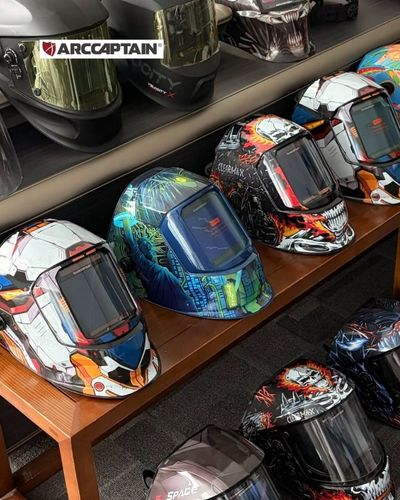
ARCCAPTAIN offers welding helmets in different designs and configurations. Some models feature auto-darkening filters that adjust the lens according to the conditions specified for the equipment. Viewing area, sensitivity controls, headgear comfort, and adjustment options are useful features to compare when selecting a helmet.
Do not choose a helmet based on appearance alone. Check that it meets applicable safety standards and provides suitable protection for the welding process and operating conditions. Inspect the lens, batteries, sensors, and other components according to the manufacturer’s instructions, and replace damaged parts when necessary.
Gloves designed for welding help protect hands from heat and sparks, while flame-resistant clothing and appropriate footwear provide additional protection. Adequate ventilation is essential for managing welding fumes, and respiratory protection may be necessary depending on the materials and working environment.
Before beginning a project, inspect cables, connections, torches, and protective equipment. Keep combustible materials away from the work area, follow equipment instructions, and seek appropriate training if you are learning a new process.
Personal protective equipment is only one part of a safe workspace. Proper setup, good ventilation, suitable training, and responsible operating practices are equally important. By combining appropriate equipment with careful preparation, you can reduce risks and work with greater confidence.
Maintain Your Equipment and Shop with Confidence
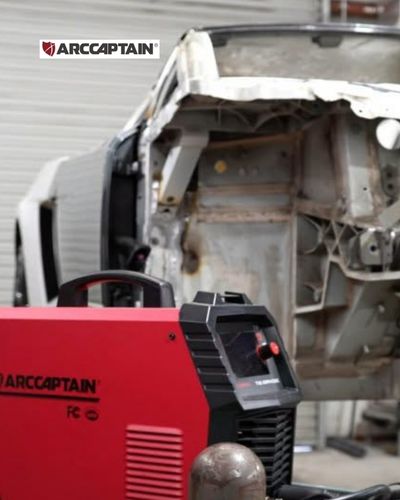
Regular maintenance helps keep welding and cutting equipment operating properly while allowing you to identify potential problems before they interrupt a project. Dust, metal spatter, worn consumables, and damaged connections can affect performance. A simple inspection routine can help you keep your equipment ready for future work.
After each session, follow the manufacturer’s instructions for cleaning and storage. Inspect cables, connectors, torches, and power connections for signs of wear. Disconnect equipment from its power source before carrying out maintenance when required, and always follow the specified safety procedures.
Consumables also require attention. Contact tips, nozzles, electrodes, and other replaceable components should be checked and changed according to their condition and the relevant recommendations. Using compatible replacement parts helps maintain reliable operation and supports consistent results.
When shopping for ARCCAPTAIN products, compare technical specifications, included accessories, warranty terms, and replacement-part availability. Check electrical requirements to ensure that the equipment is compatible with your workspace. Shipping costs, customer support options, and return policies are also worth reviewing before completing a purchase.
Set a realistic budget that includes more than the machine itself. Protective equipment, consumables, compatible tools, and workshop improvements may all contribute to the total cost. Planning for these expenses helps you avoid unexpected purchases and prepare a more functional workspace.
Whether you are beginning to learn welding or expanding an established workshop, an informed decision starts with understanding your projects and comparing suitable equipment. With the right tools, regular maintenance, and safe working habits, you can approach metalworking tasks more confidently and continue building practical skills.